For decades, the French manicure was the gold standard of elegant nails. A sheer pink or nude base with crisp white tips felt clean, timeless, and appropriate for almost every occasion. But in recent years, another style has quietly stolen the spotlight: the Baby Boomer manicure.
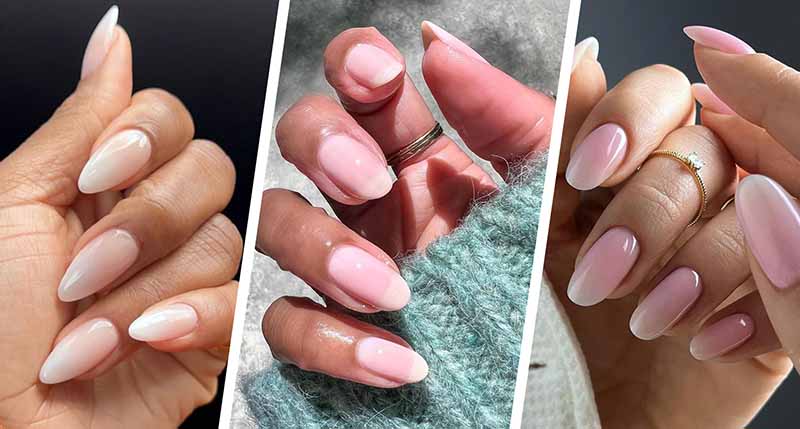
Also called a French fade or French ombré, the Baby Boomer look replaces the sharp white line of a classic French tip with a soft, seamless gradient. The result is a natural, blended transition from a sheer pink or nude base to a delicate white tip. It feels softer, more modern, and more forgiving than its predecessor. For many clients and technicians, it has become the new default.
Why Baby Boomer Nails Are Stealing the Spotlight?
The Baby Boomer manicure succeeds because it solves the biggest problem with the classic French: the harsh line. A French tip is beautiful, but it is also high-contrast and high-maintenance. As the nail grows, the white line moves away from the cuticle, and the manicure begins to look grown out within a week. A Baby Boomer fade, by contrast, blurs that transition. Regrowth is far less obvious, so the manicure looks fresh for longer.
The style also fits the wider shift toward natural, low-maintenance beauty. Clients increasingly want nails that look healthy and polished without appearing heavily “done.” Baby Boomer nails deliver exactly that. They elongate the fingers, soften the hands, and photograph beautifully. They are elegant enough for a wedding but subtle enough for the office. And because the gradient is so gentle, it suits almost every skin tone, nail shape, and lifestyle.
French Manicure vs. Baby Boomer: The Key Differences
At first glance, the two styles seem similar. Both use a light base and a white or off-white tip. But the execution and effect are very different.
A classic French manicure has a defined, crisp smile line. The white tip is opaque, and the contrast between the base and the tip is strong. It is precise, graphic, and traditional. It works best on medium to long nails and requires regular maintenance to keep the line looking clean.
A Baby Boomer manicure has a blended, diffused transition. The white tip fades gradually into the pink or nude base. There is no hard line. The effect is soft, airy, and natural. It works on short and long nails alike, and it grows out gracefully.
-1024x1024.jpg)
In short: the French manicure is a crisp line. The Baby Boomer is a soft fade.
How to Create a Baby Boomer Gradient Gel Manicure?
The gel version of Baby Boomer is especially popular because it lasts two to three weeks and keeps its glossy finish. Here is the general process.
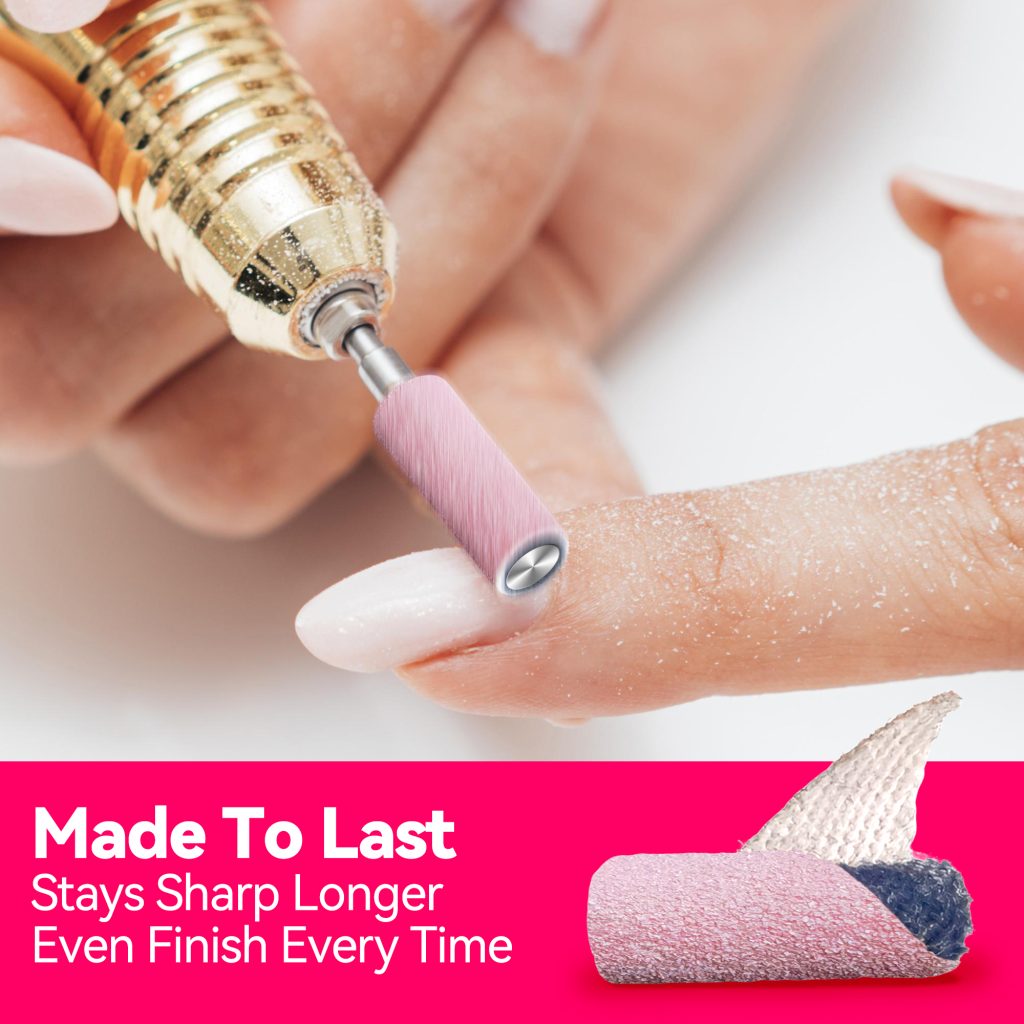
Start with proper preparation. Remove old polish, shape the nails, push back the cuticles, and lightly buff the nail surface with a fine-grit sanding band. Remove all dust, then wipe each nail with a dehydrator or isopropyl alcohol. After this, do not touch the nails.
Apply a thin gel base coat, cap the free edge, and cure under a UV or LED lamp. Next, apply a sheer pink or nude gel colour over the entire nail. Cure. This is the base of the gradient.
Now apply the white gel to the tip. You can paint a soft white band across the free edge, or place a small bead of white at the tip and begin blending. Using a fine liner brush or an ombré brush, gently pull the white colour downward into the pink base. Work in small, light strokes. The goal is a seamless fade, not a sharp line.
Cure briefly—about 10 to 15 seconds—to set the blend. Then apply another thin layer of sheer pink over the entire nail to soften the transition further. Cure fully. Repeat the white tip and blending step if you want more opacity at the tip. Finish with a glossy gel top coat, cap the free edge, and cure completely. Wipe away the inhibition layer and apply cuticle oil.
Key Steps for a Flawless Gradient
The gradient is the heart of the Baby Boomer manicure. A few details make the difference.
Work in thin layers. Thick gel cures unevenly and looks bulky. Thin layers blend better and last longer.
Blend while the gel is wet. Once the white gel is cured, you cannot blend it. Move quickly and use a light touch.
Use a sheer pink over the blend. This softens any harsh edges and creates depth.
Flash cure between steps. A quick 10- to 15-second cure sets the product so you can build the next layer without disturbing the previous one.
Keep gel off the skin. Product on the cuticle or sidewalls will lift. Clean up before curing.
The Advantages of Baby Boomer Nails
The Baby Boomer manicure offers several benefits. It is universally flattering. The soft gradient elongates the nail bed and makes fingers look longer. It is low-maintenance because regrowth is less visible. It is versatile—equally appropriate for everyday wear and formal events. It is photogenic, which makes it a favourite for brides and anyone who expects to be in front of a camera. And it works on any nail shape, from short squoval to long almond.
Best Occasions to Show Off Baby Boomer Nails
Baby Boomer nails are perfect for weddings, engagements, and bridal showers. They are elegant for galas, holiday parties, and red-carpet events. They suit professional settings, job interviews, and everyday office wear. They are also a beautiful choice for vacations, especially beach destinations, because the soft white tip resembles sun-kissed nails. In short, there is almost no occasion where Baby Boomer nails feel out of place.
Final Thoughts
The classic French manicure will always have a place in nail history. But the Baby Boomer manicure has earned its spot as the modern favourite. It is softer, more natural, and more forgiving. It gives clients the polished look they want without the high-maintenance line of a traditional French tip. With gel, it lasts for weeks. With proper technique, it looks seamless. And with its gentle gradient, it flatters almost everyone. It is no wonder the French fade is taking over.
Read also: The Complete Guide to Gel Nails: Types, Tools, Application, and Safety